

Pilates option
Private Studio Pilates
- Session size
- One-to-one
- What you use
- The full studio apparatus
- Guidance
- Your instructor's attention for the whole session
- Booked through
- PushPress studio bookings
A one-to-one session in the studio, built around where you are starting and what you want to work on.
A private session has no class plan to keep up with. Your instructor watches how you move, chooses the work from there and changes it while you are doing it.
That makes a private session a straightforward way to begin if you have never used the equipment, and a practical way to work on something specific if you have.
How a session runs
Your starting point
Your instructor asks what you have done before and what you want out of the session, then works from your answer rather than a set program.
Learning the equipment
Each piece of apparatus is explained before you use it, including what the springs do and why a setting changes.
Working slowly
The work goes back to the fundamentals and stays with one movement until it is right, then moves on.
Changing the cue
If an instruction does not land, your instructor explains it another way or shows you. A missed cue is treated as a cue that needs rewording.
Progress
Sessions build by adding control, range or resistance as the work allows. Some sessions progress by slowing down and doing the fundamentals well.
Choose a private session when
- You have not done Pilates before and want to learn the equipment properly.
- You are coming back after a break and want to rebuild from the fundamentals.
- You want the whole session spent on your own movement and your own questions.
- You want to use the wider studio apparatus rather than the Reformer alone.
Semi-private Studio Pilates uses the same room and the same apparatus with up to four people working at once. It suits people who already know their way around the equipment.
What you use
A private session can draw on any of the studio apparatus. Which pieces you use depends on the work, and your instructor explains each one before you get on it.
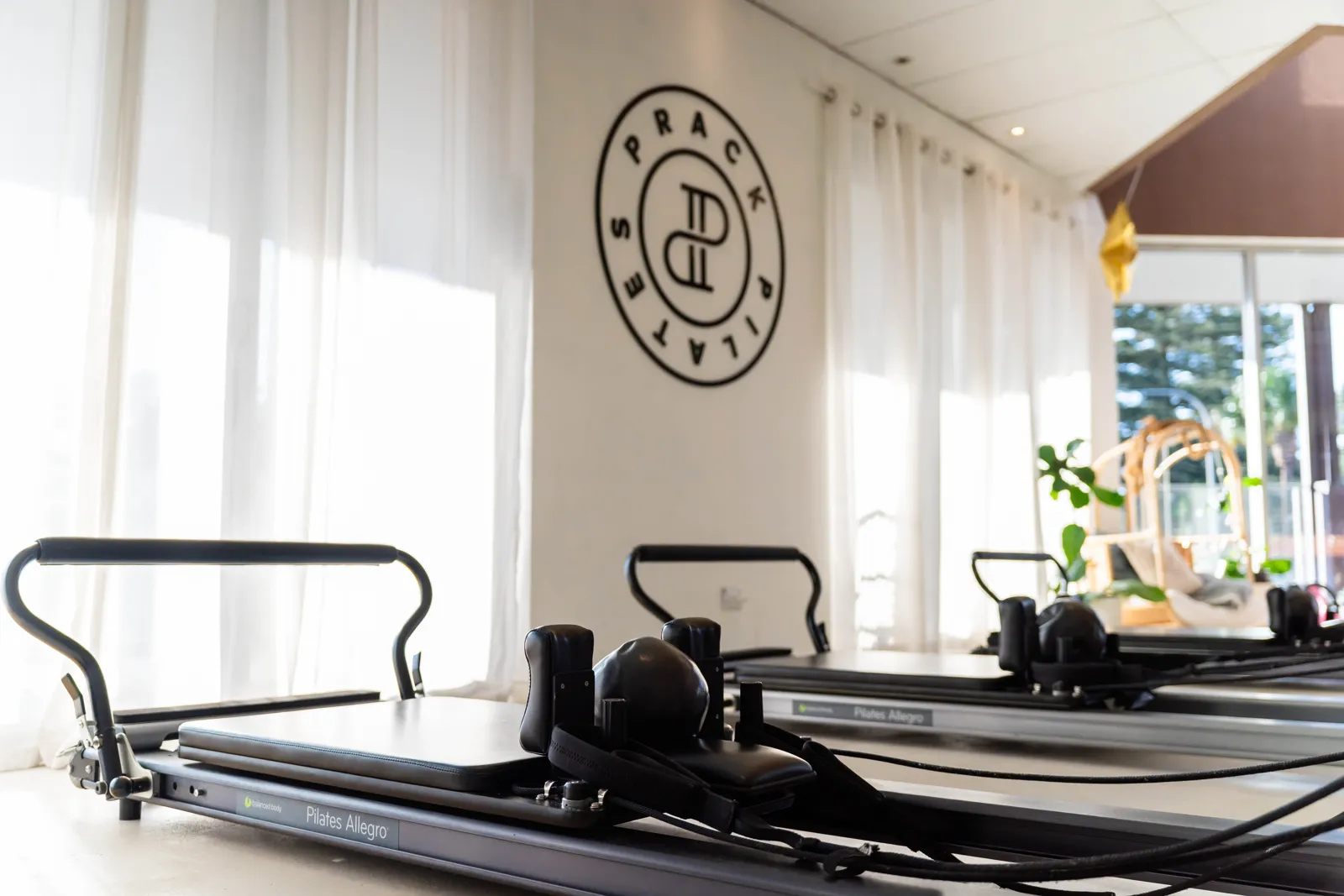
Reformer
Spring resistance supports a wide range of strength, control and mobility work, lying, sitting, kneeling or standing.
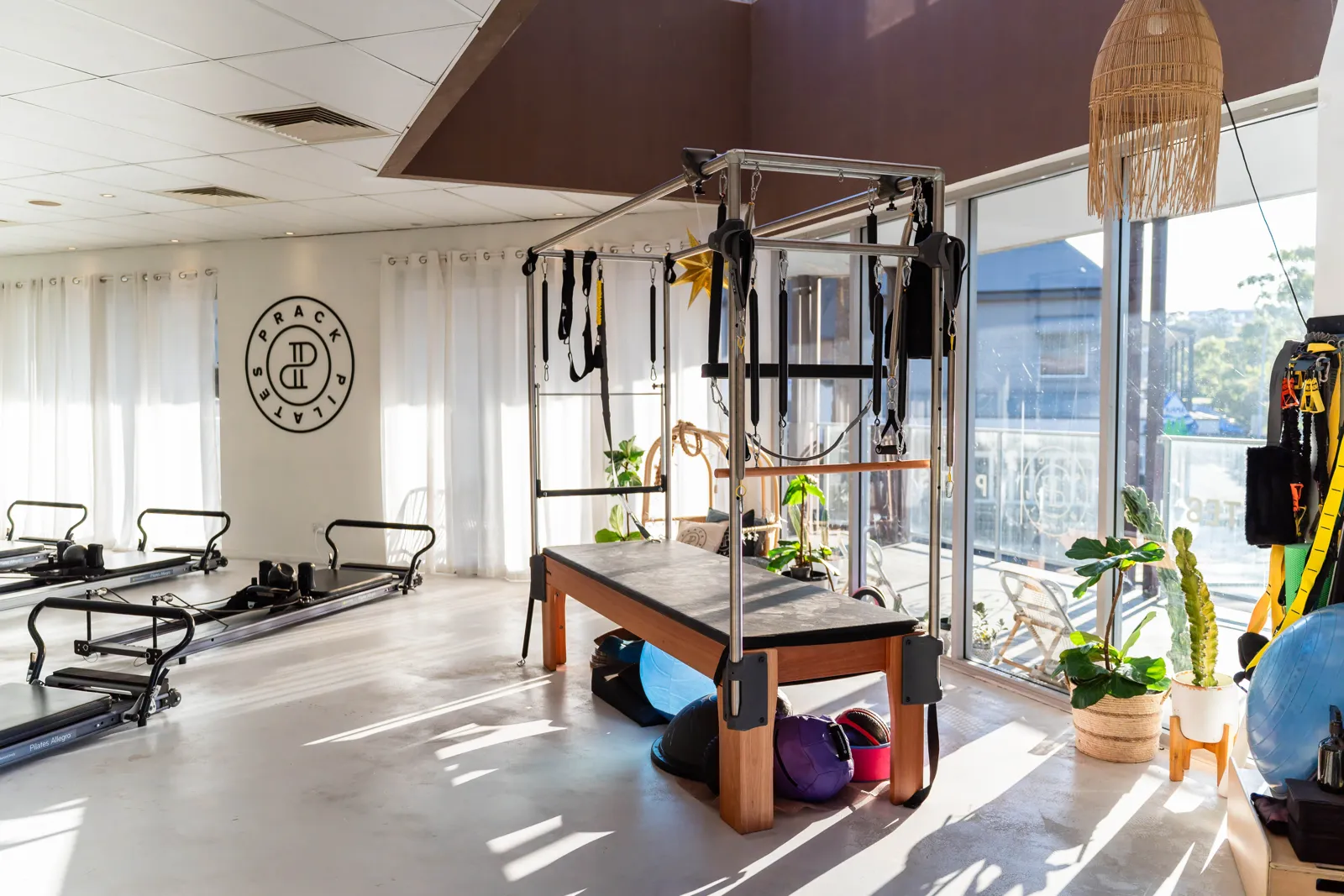
Cadillac
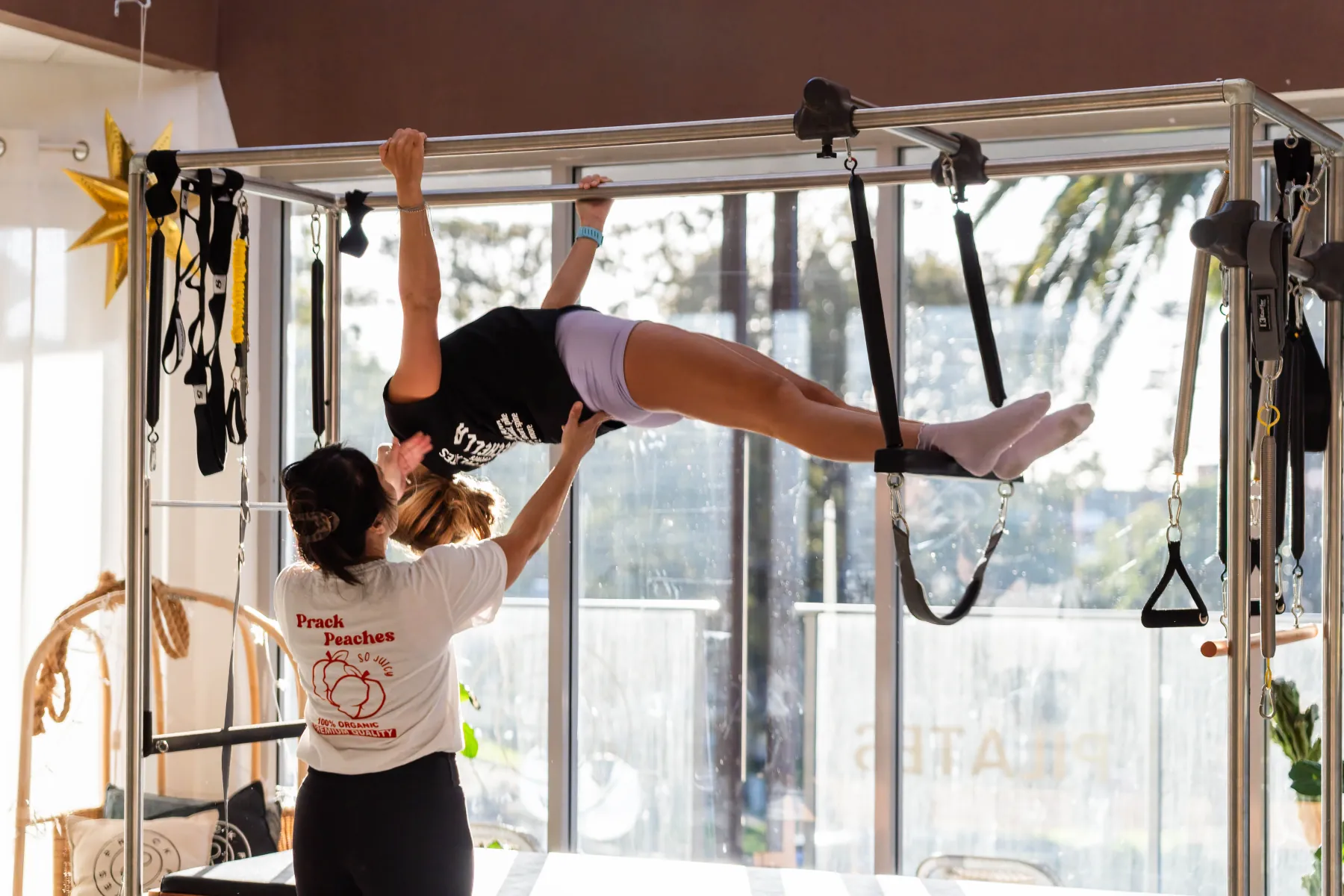
A frame of bars, straps and springs that can support a movement or add resistance to it, across a wide range of positions.
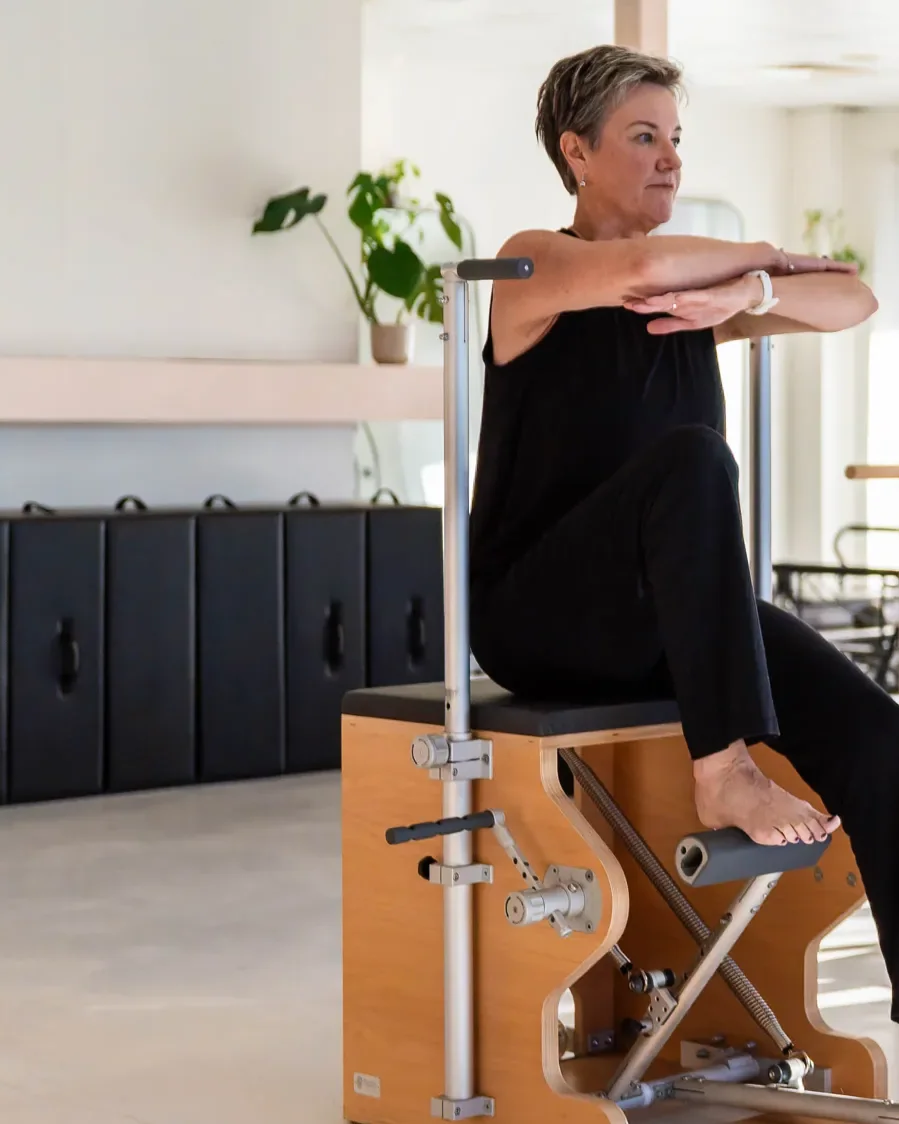
Wunda Chair
A compact pedal and spring set-up used for strength, control, coordination and standing work.
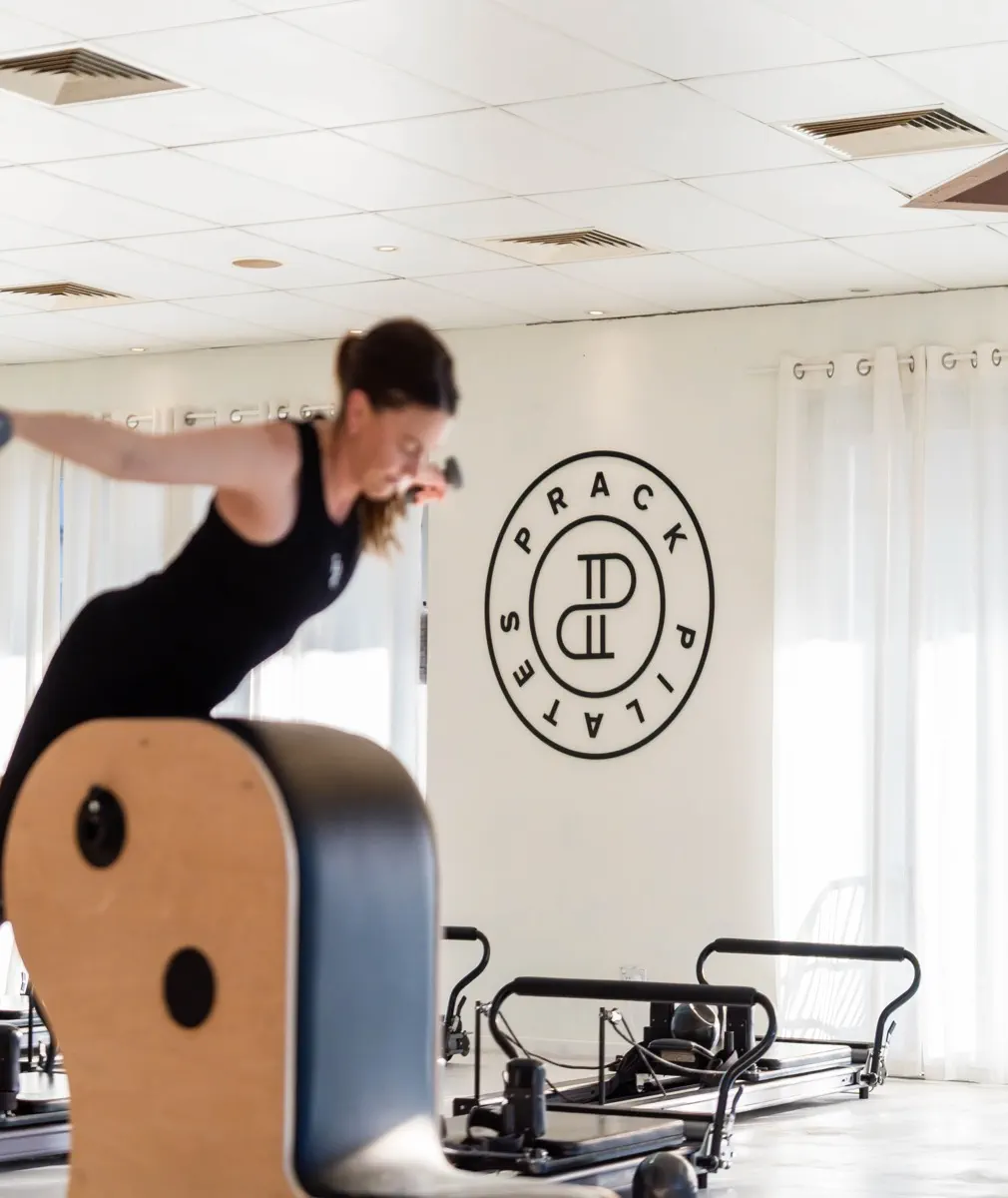
Ladder Barrel
A curved barrel and ladder used for spinal mobility, side work and opening through the hips and shoulders.
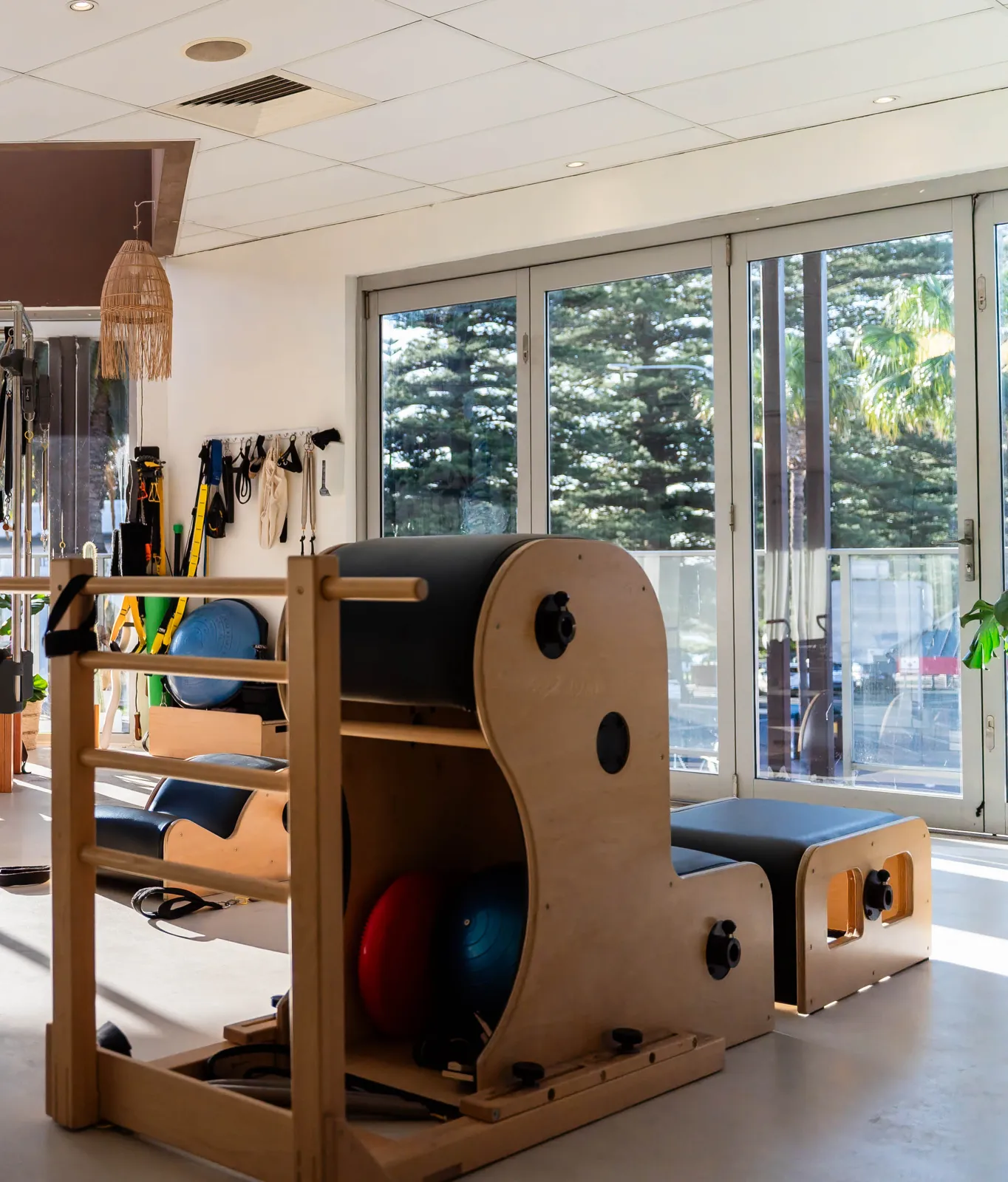
Avalon Chair
A spring-assisted chair used for controlled strength and mobility work, with more range of positions than the Wunda Chair.
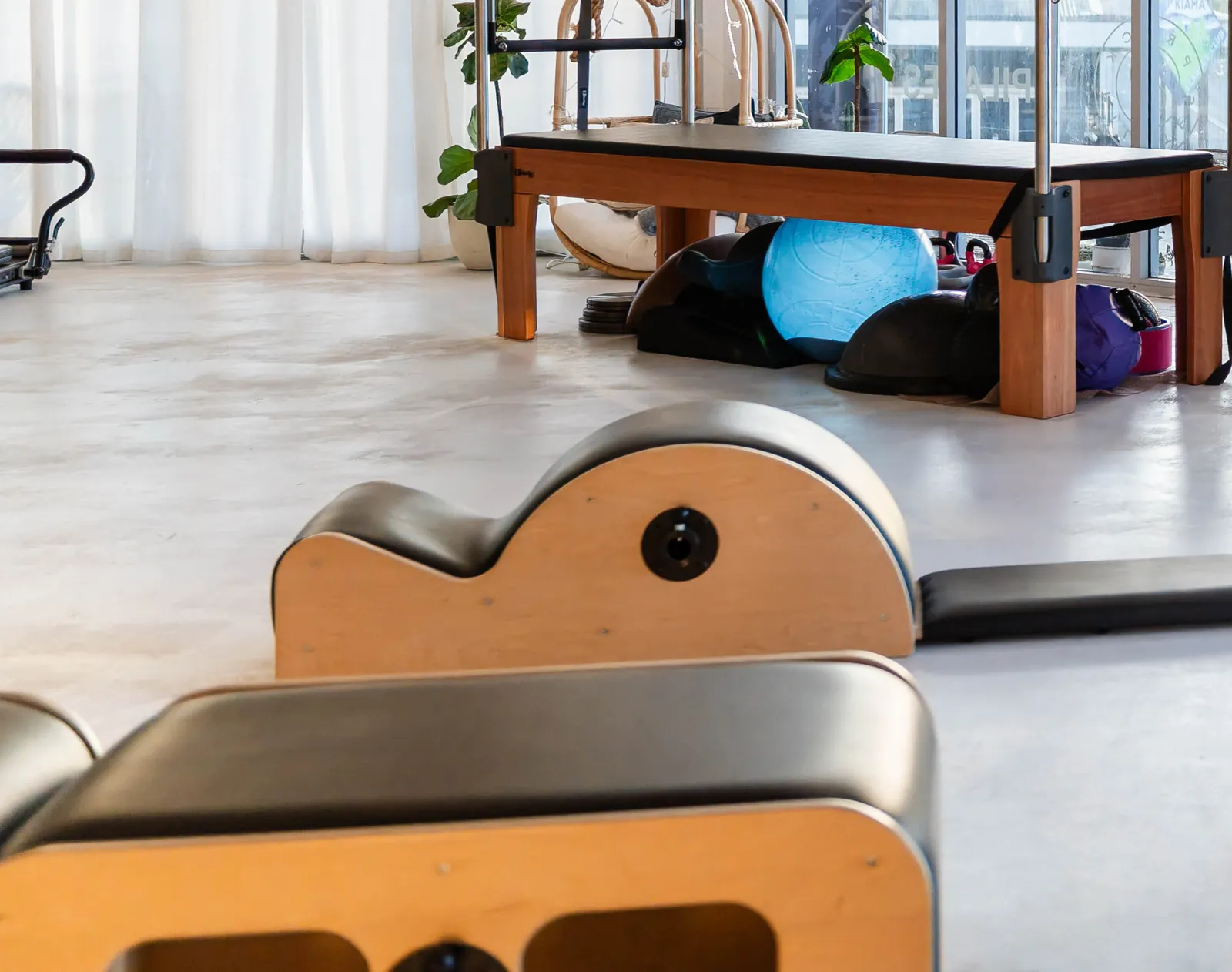
Spine Corrector
A shaped support used for trunk control, mobility and alignment work in varied positions.
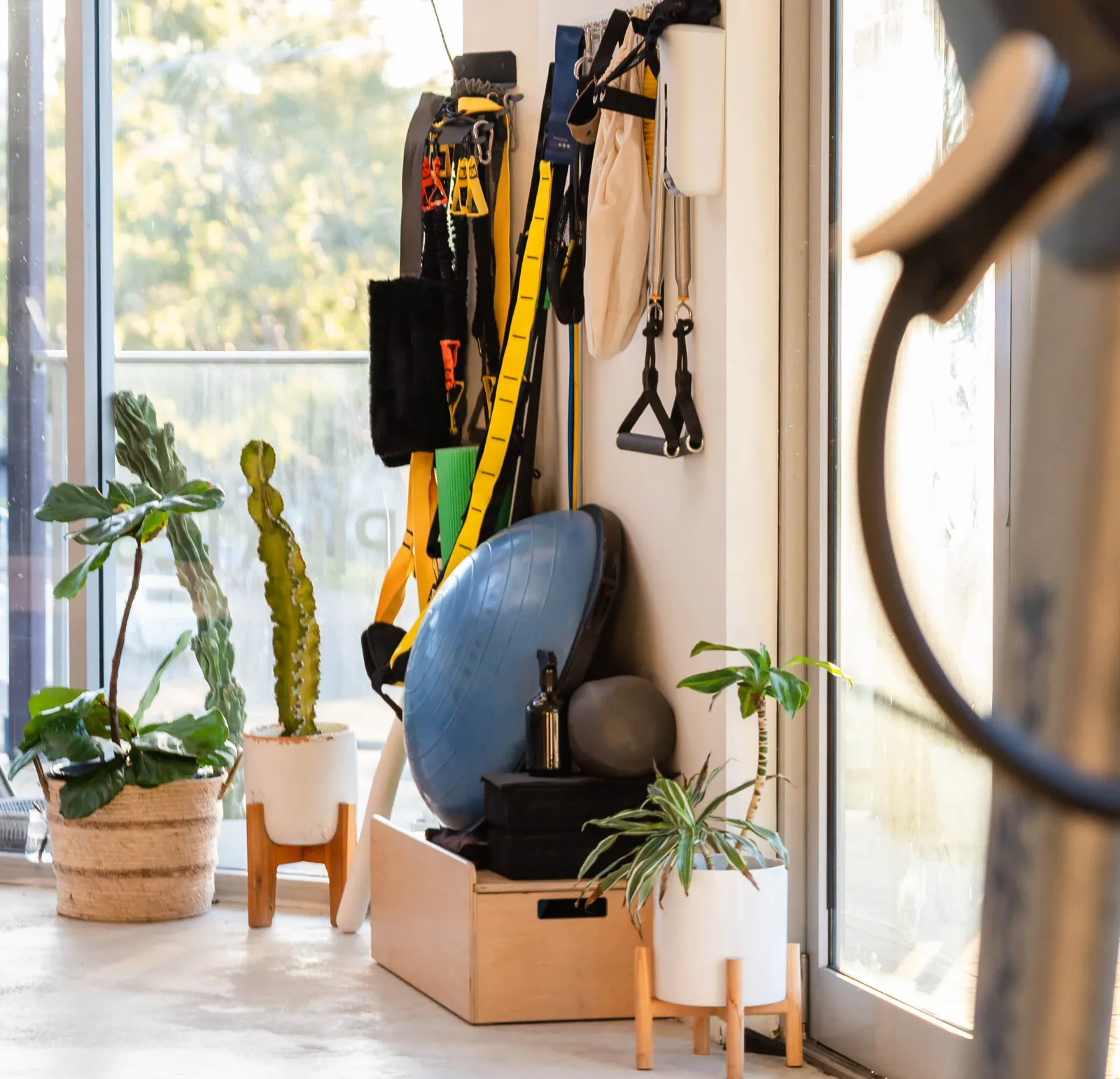
BOSU Ball
A domed balance trainer used to add balance, coordination and control challenges when the work calls for them.
The other three options
Book a private studio session
Studio sessions are booked in PushPress, which holds current availability. Session prices are listed on the pricing page.
Not sure this is the right one? Tell us where you are starting and we will help you choose. Contact Prack Pilates